
Best Ways To Treat Jaw Pain
At some point in our life, all of us face with a minor jaw problem. Whether it be a clicking sound when we talk, a regular muscle ache or experiencing pain while opening the mouth. Some of these can be nothing to worry about, however, the difference between nothing and problematic can be a bit blurry. It’s very important to differentiate these two possibilities. A minor clicking sound can very well be a symptom for an TMJ issue. Or, it can be a just that, a minor clicking because of a wrong jaw movement. In this blog, we are gonna inform patient’s about jaw problems and when to deal with them.
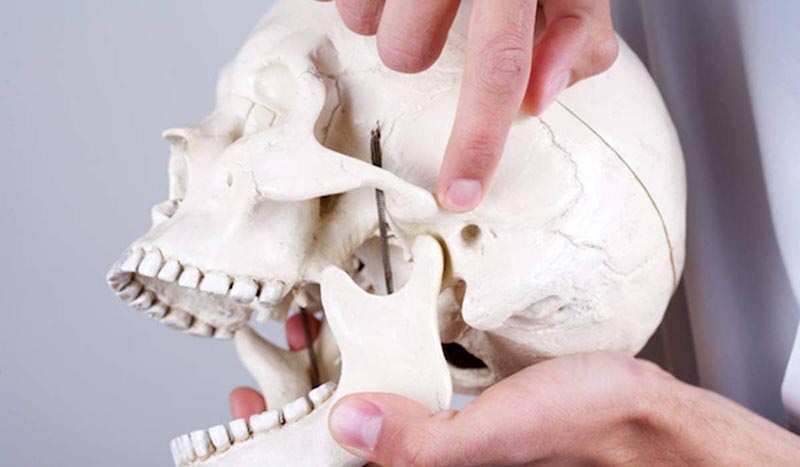
What Does Jaw Do?
Jaw, also called as mandible, has one job – not counting breathing, as it should be a nose job – and that’s opening and closing. In order to do that, the jaw has a pair of joints. These are called temporomandibular joints. With the help of the muscles, they control the general movement of our jaw. Temporomandibular joints are located at the front of the ears and are connected to the skull. We can even sense their movement when we stick our lower jaw forward. We can also feel and even work our jaw muscles. These are called the masseter muscle and the temporalis muscle. These joints and muscles work together to move the jaw.
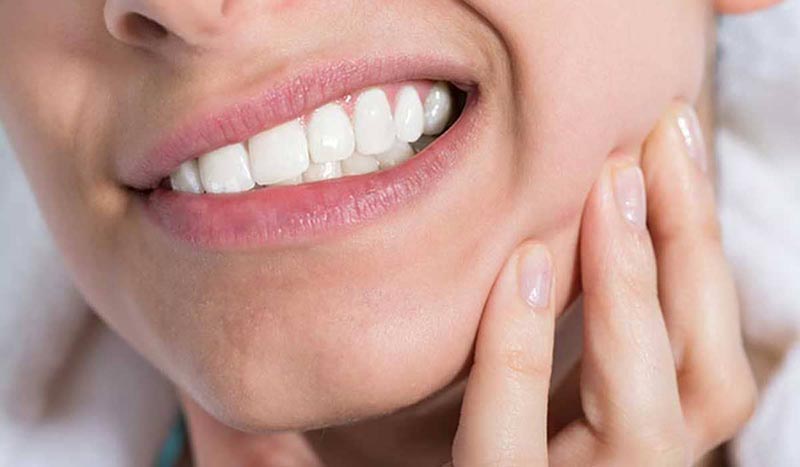
Why Does Jaw Pain Occur?
There can be multiple reasons for jaw pain. These reasons can be diverse or they can come from the same source. The severity f the pain and how much it interferes with your daily life is the main question that you should ask. A minor clicking sound can come and go in no time. While a temporomandibular joint issue would need a special care. If your problems are staying with you more than a week, you should consult a doctor or a dentist for the optimal diagnosis and recovery.

Some of the common jaw problems that you can experience are as follows.
Temporomandibular Joint Problem
We already know that TMD joints are responsible for the movement of our mouth. Knowing these joints capabilities is actually very important. Pretty much 70% of the jaw issues are caused by temporomandibular joint damage. So, whether it be eating, drinking or mimicking someone with sticking our lower jaw, we should be careful with it. Some of the indicatives of TMD joint issues are:
- General jaw pain
- Having trouble while opening the mouth
- Clicking sound while talking and eating
- Occasional headaches
- Pain while pronouncing some words
- Jaw pain by ear area

These joints are not as durable as you would think. There are several factors that result in a damaged TMD joint, and these can happen easily. Some of these are:
- Getting hit around the area where the jaw and the temple connect can result in joint issues
- Chewing too much gum or biting hard objects can cause overworked jaw muscles and cause jaw stress. This stress can affect your TMD joints in a bad way
- A misaligned disc can cause joint issues
- Opening your jaw too much or pushing your lower jaw too far forward can cause TMD joint issues
- Teeth grinding, whether it be intentional or unintentional, can cause stress to these joints and cause injury in the long run
- Even though it’s highly unlikely, a general trauma can affect the cushions of the jaw joint
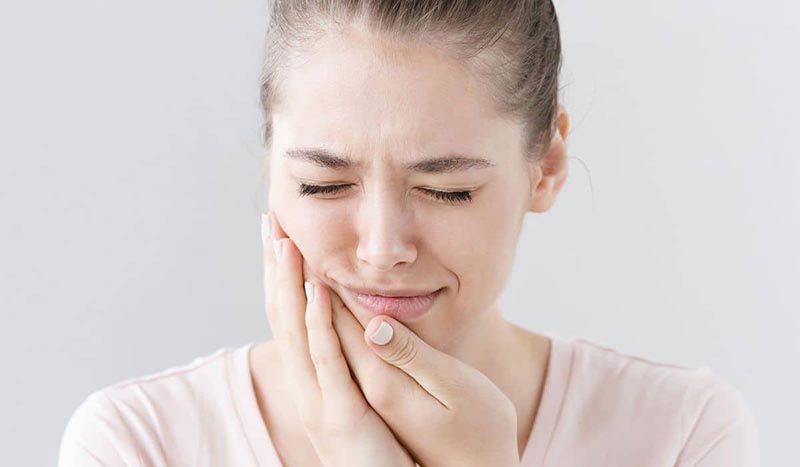
If you experience any of these and feel like there is something wrong with your mouth/jaw, you should consult with your doctor or your dentist immediately. TMD joint disorders are no joke and they require treatment as soon as possible. Before that, you can do these to relieve the pain a bit:
- Relax your jaw and try to get your calories from a healthy drink
- Do the TMD joint exercises
- Do hot and cold treatment
- Massage the problematic area for jaw pain relief
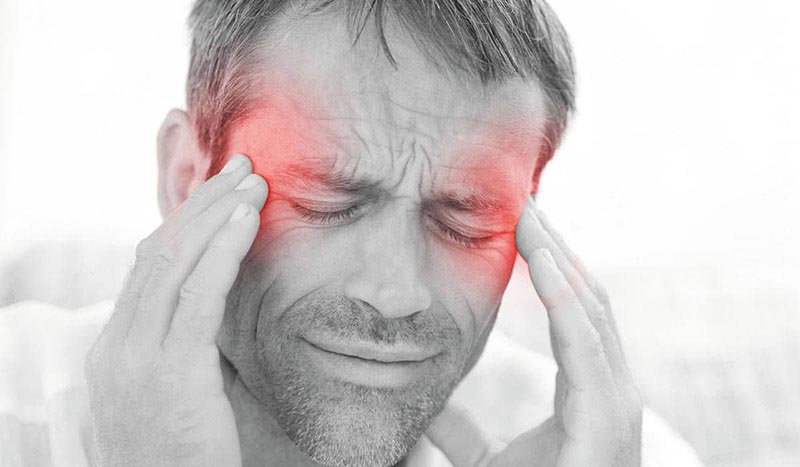
Dental Issues Behind Jaw Pain
The majority of the time, joint issues are the reason for jaw pain. However, a dental problem caused by the teeth can also be an underlying factor. Some of these are:
- A cracked tooth can cause pressure on your jaw. People always chew more with the undamaged side of their mouth. This can put stress on one side of the mouth more than the other and cause jaw pain on one side.
- Tooth decay is known for creating jaw pain.
- An untreated gum disease can result in tooth and bone loss in the mouth. This can indirectly affect your jaw and cause pain.
If you think you have any of these problems, consult your dentist for the optimal treatment.
Jaw Injury
Sometimes, jaw pain can be the result of a broken jaw. Especially patients who play physical sports have a higher chance of getting an external jaw injury. The pain will be dependent on how hard they broke the jaw. It can be minor or severe; in every scenario, it’s going to hurt. When something like this happens, patients should consult with a doctor or a dentist immediately. A surgery might be necessary based on the severity of the situation. Till then, all other contact sports should be avoided, and hot/cold treatments should be done. Pain relievers are also advised to cope with the pain.
Cluster Headaches
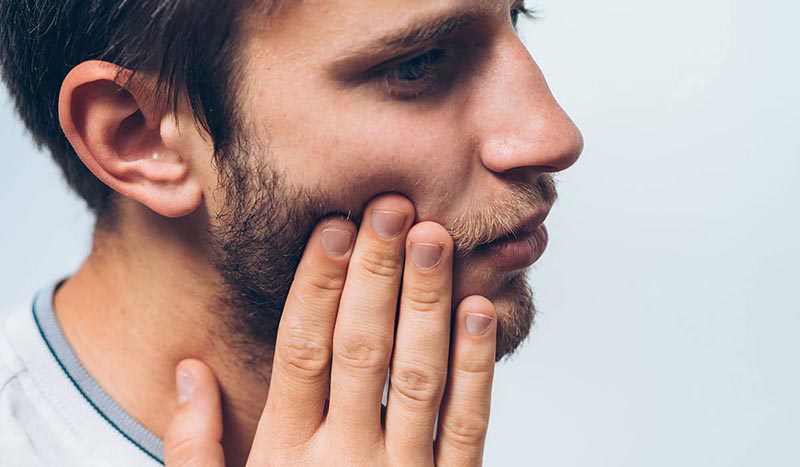
Cluster headache is a neurological disorder that happens around the eye area. They are known for being the most intense headache to feel. They often come with nasal congestion, watery eyes and a merciless pain. Even though this is a headache, the pain can travel to your jaw and cause pain there. There is no known cause for this type of headache. When faced with this, the patient should be calm and wait for the attacks to subdue. After that, patient should visit a doctor and create a treatment plan to reduce attack frequencies.

Nasal Congestion
Allergic reactions, sinusitis or nasal polyps cause nasal passage to be blocked. İf this goes for a long time, all that excess mucus and inability to breath from nose, will put extra stress to the jaw. This extra stress can affect the jaw joints and cause jaw pain. Taking anti allergic pills and a nasal spray might open nasal passage. But, patients should consult with a doctor for the optimal diagnosis. If a deviated septum or nasal polyps are the reason for the congestion, a surgery will be needed.

Jaw Pain and Heart Attack
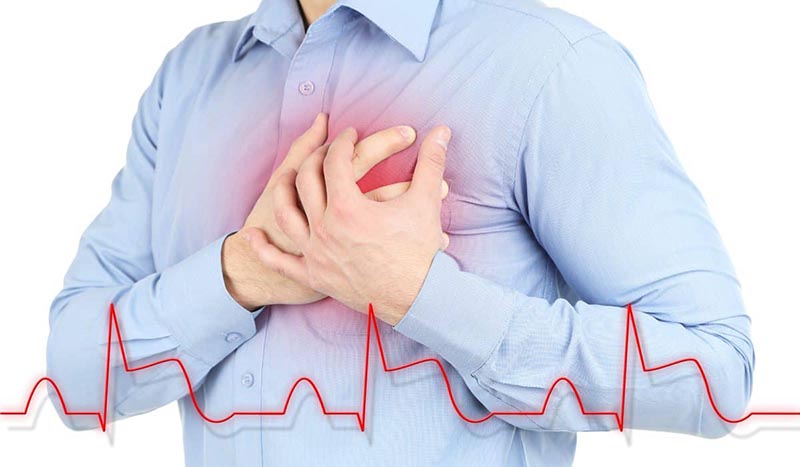
It might be hard to believe, but jaw pain is considered a symptom of a heart attack. 99% of the time, it’s accompanied by chest pain. These two are common symptoms of a heart attack. If you feel that you have some pressure in the jaw and heart area, consult your doctor immediately.
Summary
Jaw has a very specific job, and there are a couple of things that damage that. We should pay attention to our TMD joints, and we should also avoid putting excessive stress on the jaw muscles. If you experience any of the above issues, you should consult with a doctor or a dentist for recovery.